
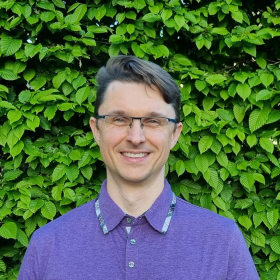
Michal (Lawyer linguist – Court of Justice of the EU)
Jmenuji se Michal a jako právník-lingvista u Soudního dvora Evropské unie propojuji právo, jazyk a technologie v dynamickém prostředí evropské justice. Moje práce není jen o překládání, ale i o skutečném porozumění, které nadále vyžaduje kritické myšlení, jazykovou zručnost a právní erudici. Chytré algoritmy, pokročilé jazykové nástroje a umělá inteligence mi usnadňují část práce a zároveň mi otevírají nové možnosti, jak právní texty analyzovat a interpretovat. Neustále se učím pracovat s moderními technologiemi – od překladatelských softwarů až po pokročilé AI aplikace – a pomáhám kolegům tyto nástroje zvládnout tak, aby jim usnadnily jejich práci místo toho, aby je brzdily. Díky znalosti českého práva pomáhám kolegům z různých právních kultur pochopit jeho specifika a přispívám k vytváření společného právního jazyka pro celý evropský prostor. Je to práce plná výzev a neustálého učení, ale právě proto je tak zajímavá! Pokud tě baví právo a jazyky, zajímáš se o technologie a láká tě práce v evropské justici, možná je to příležitost přesně pro tebe. Chceš taky být u rozhodnutí, která ovlivňují miliony lidí? 🚀
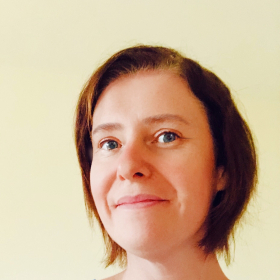
An J. (European Commission, Directorate-General for Environment)
“I joined the European Commission 8 years ago, after having passed an EPSO generalist competition. I have a scientific background with a degree in biomedical sciences and a PhD in ecotoxicology. I have been working in the field of chemicals legislation in two different directorates-general; I am currently in directorate-general Environment.
Chemicals are everywhere in our daily life and play a fundamental role in most of our activities, as they form part of virtually every device we use to ensure our well-being, protect our health and security, and meet new challenges through innovation. The field of chemicals legislation is therefore hugely interesting: it has relevance and impact, and can be politically sensitive at times. You may have heard in the news about PFAS pollution, bisphenol A in baby bottles or glyphosate. My work consists of drafting chemicals legislation, working on its implementation and setting out chemicals policy for the future. It involves many contacts with people from other directorates-general in the Commission, the European Parliament and Council, member state competent authorities, industry and non-governmental organisations.
Personally, I find working for the Commission the best job ever: you get the chance to actually make a difference; what you do is relevant and has a real impact on European citizens. There is never a dull moment, I have a lot of autonomy and I get to work in an inspiring international environment with the nicest colleagues. If ever you wanted to work on the topics of energy, climate or environment at a European level, grab your chance with this competition!”
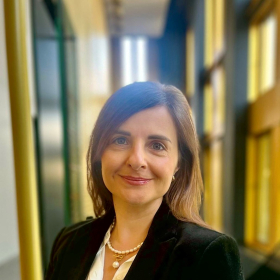
Kristine, Court of Justice of the EU
“Being a lawyer-linguist allows me to combine my legal expertise with a passion for languages.
My journey began on the other side of the courtroom, representing Latvia before the Court. Today, from within the institution, I ensure that the Court’s legal texts are clear, precise, and accessible in Latvian. Thus, I contribute to fair and effective application of EU law, ultimately influencing the daily lives of citizens across the Union.
The rapid development of language technologies is reshaping our profession, opening exciting opportunities. We are actively working on finding the most reliable and responsible ways to integrate AI into legal translation, while preserving the accuracy and nuance that only human judgment can ensure.”
Martin (Lawyer linguist – Court of Justice of the EU)
Na českém překladatelském oddělení se věnuji mimo jiné práci na interních předpisech, tedy na jednacích řádech a různých prováděcích předpisech a pokynech k nim. Průběžně se novelizují a aktualizují a to se pak promítá do celé řady dalších dokumentů soudu, včetně jeho rozhodnutí. Jde o práci, při níž má každé slovo svou váhu. Přesné porozumění textu a jeho smyslu je zcela nezbytným předpokladem. K tomu napomáhá týmová práce a komunikace s ostatními překladatelskými odděleními a autory překládaných textů. Spolupráce, komunikace v různých jazycích a preciznost jsou právě tím, co mě na mé práci tolik baví a uspokojuje.
Aleks, Financial Officer
“I am Aleks (she/her), and I work as a Financial Officer at the European Commission’s Directorate-General for Budget (DG BUDG). My main responsibilities are in the areas of EU Green Bond financing and Asset Management Coordination. I’m also a member of the Commission’s Task Force on Equality.
Colleagues in my unit, including the Head of Unit, who were the first to be aware of my gender identity, were very supportive and understanding of my transition. Eventually, when the whole directorate became aware of my identity, I can confidently say that I have not had a single bad experience but rather found support and ‘kind curiosity’. I also prepared some materials on transgender issues with senior management, an initiative that was very well accepted by all. Transgender people can find a safe working environment in DG BUDG. Challenges remain, of course, especially when it comes to recognition and digital administrative systems, but positive changes are coming and I am happy to see and be part of various internal task forces and groups working on how to further improve current systems.
There’s a long path ahead but we are on the right course. I believe transgender people will be warmly welcomed in any team in the Commission.”
Kateřina (Lawyer linguist – Court of Justice of the EU)
Po absolvování Právnické fakulty v České republice a ročním studijním pobytu na univerzitě ve Spojeném království v rámci programu Erasmus jsem zahájila svou profesní dráhu jako stážistka u Soudního dvora Evropské unie, a to ještě před vstupem České republiky do Evropské unie. Krátce po ukončení stáže jsem nastoupila jako pomocná pracovnice do útvaru, jehož hlavním úkolem byla příprava Soudního dvora EU na rozšíření Evropské unie v roce 2004, kdy se její součástí stala i Česká republika.
Měla jsem tu čest podílet se na vzniku českého oddělení v rámci ředitelství pro právní překlady. Tato práce pro mě představovala významnou profesní výzvu a současně přispěla k položení základů organizační struktury českého překladatelského oddělení v podobě, v jaké existuje dodnes. Po více než dvaceti letech působení ve funkci právníka-lingvisty u Soudního dvora Evropské unie vnímám svou práci v českém oddělení Generálního ředitelství pro mnohojazyčnost stále jako velmi podnětnou, zejména v kontextu současných proměn vyvolaných nástupem umělé inteligence.
Dlouhodobě se zaměřuji na oblast práva duševního vlastnictví, aktivně se podílím na rozsáhlých terminologických projektech, stejně jako na výběru externích spolupracovníků a budoucích kolegů. Výkon funkce právníka-lingvisty u Soudního dvora Evropské unie představuje unikátní spojení právního vzdělání a hluboké znalosti cizích jazyků, které jsou zároveň mou dlouholetou vášní. Součástí mé každodenní pracovní náplně je rovněž úzká spolupráce s dalšími útvary Soudního dvora, s kabinety soudců, s kolegy z ostatních orgánů EU a s externími odborníky. Práce v multikulturním prostředí, které Soudní dvůr Evropské unie poskytuje, je mimořádně obohacující a představuje výjimečnou profesní zkušenost.
Krisztina (European Economic and Social Committee)
“I have been working for the European Economic and Social Committee (EESC) since 2016. I work at the Section for Economic and Monetary Union and Economic and Social Cohesion and within our unit, I first worked on policy issues related to the Capital Markets Union and for the past two years, I have been working on the economic policies and in particular, the Economic and Monetary Union.
Our institution is one of the consultative bodies of the Union. The members of the EESC represent the organised civil society of Europe and with the opinions they draft, the EESC feeds into the European policy-making process the views, concerns and recommendations of civil society. My job is to support the EESC members in writing opinions on topics related to the EU's economic policies. For my work, I have to be up-to-date about the economic policy developments in the EU, follow the progress on legislative files at the Commission, the Parliament and the Council and be aware of the relevant research in academia, think tanks and the position of civil society organisations. I also organise meetings, public hearings or conferences, and establishing contacts with relevant stakeholders. Every day, I feel like I am at the heart of European policy-making and of building a resilient, sustainable European economy. What I love about my job is its diversity and that it constantly challenges me to stay on top of my game.”
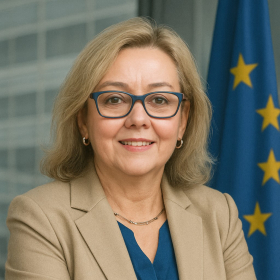
Deputy to the head of Outreach and Communication: Heike Gras
Heike began her career in the private sector, working in the tourism and hospitality industry in Brussels and Gothenburg, followed by a role in an international audit firm.
She then moved to the public sector and joined the European Commission in 1996, initially serving in the finance and budget unit of the Directorate-General for Education, Training and Youth. Subsequent assignments included positions in the Directorates-General for External Relations and for Transport & Energy.
In 2003, Heike transitioned to human resources related functions, joining the newly established European Personnel Selection Office (EPSO) as a competition coordinator. She later worked in the HR unit of the Directorate-General for the Internal Market & Services before returning to EPSO in 2013. Since then, she has held several roles within EPSO, from Team Leader for test development, Deputy Head of Unit for e-selection & test development, to her current position as Deputy Head of EPSO’s Outreach and Communication unit.
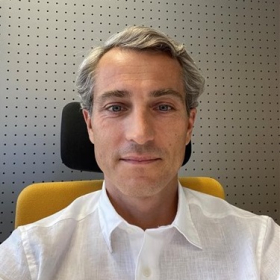
Justas (Boards of Appeal – EUIPO)
“I am from Vilnius (Lithuania) and lived there before moving to Alicante to join the EUIPO. Being the capital, Vilnius is a very vibrant city that offers a rich cultural life and diverse gastronomic experiences. It also has one of the biggest old towns in Eastern Europe.
I joined the EUIPO as a trade mark examiner in 2007. In 2012 I was appointed head of decisions sector within one of the services of the Operations Department. Since 2015 I’m part of the litigation team which is in charge of defending EUIPO’s decisions before the Court of Justice of the European Union.
My regular working day consists of preparing procedural documents for the Court of Justice of the European Union and researching its case-law. In addition, I often travel to Luxembourg to participate in oral hearings.
A career at the EUIPO appealed to me for various reasons. Already when studying law, I had a particular interest in intellectual property. Moreover, I really enjoy working in a multicultural environment and I am a true believer in the purpose of the European Union. Last, but not least, Alicante offers a great quality of life, especially when you have a family with children.”
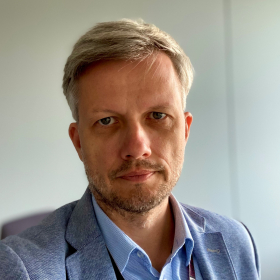
Jakub, European Commission
“My name is Jakub and I work at the European Commission’s Directorate General for Mobility and Transport. I am a deputy Head of Unit responsible for inter-institutional relations, planning and programming and coordinating response to crisis – such as COVID-19 pandemic or Russia’s war of aggression against Ukraine. I am economist by education and before joining the Commission, I worked for the Polish administration on Poland’s accession to the EU.
What I cherish most at my current position is the variety of tasks and skills I need to be successful, the fantastic work atmosphere, as well as the high quality of work we are expected to deliver. What I find quite unique about the Commission is that, if you want, you can easily change your job, while preserving your position and pay. In the past, I enjoyed working for the Directorate General for Environment, the Secretariat General, the Office of the Commissioner for Climate Action, and the Office of the Commission President, and at each of these places I learned something new.
Brussels is a great place to be. It is of much more human scale than the bigger EU capitals, and it still offers plenty of top-notch cultural events. It also makes it easy to meet new people and to make new friends.”